

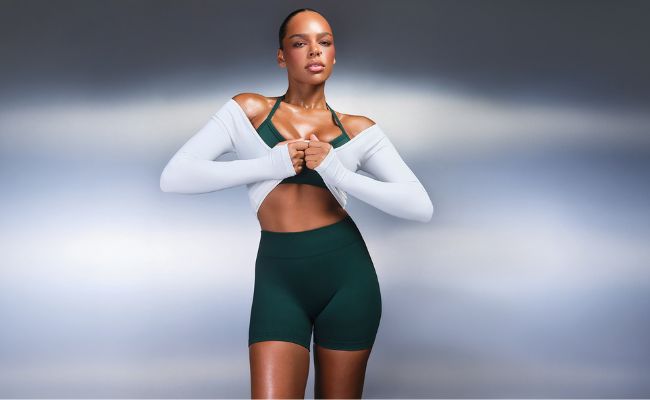
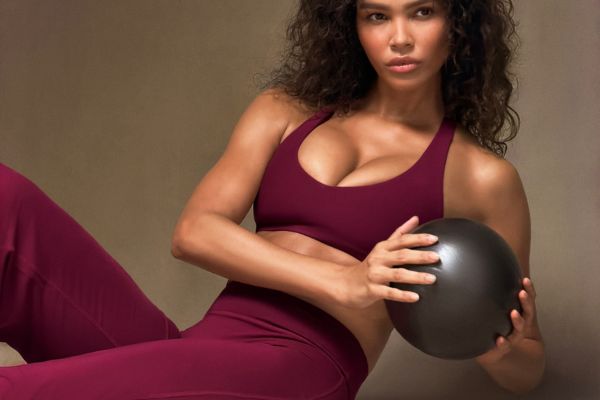


Most activewear doesn't just wear out from workouts. How you wash it can make a big difference too - the heat, the fabric softener, the "throw it in with everything else" habit can all take a toll on compression leggings, seamless tops and scrunch shorts over time. Here's what actually helps performance fabric keep performing.
Thrivin's Care Guide at a glance
To keep your Thrivin products looking and performing their best, build these four habits into your routine.
-
Machine wash at 30°C - Run a gentle cycle. A cool, low agitation wash protects the fabric and the fit.
-
Cold water, mild detergent - Cool water and gentle, non-bio detergent keep fibers and compression intact.
-
Wash inside out - Turn each piece inside out before washing to preserve color and surface finish.
-
Wash after each wear - Especially after workouts, washing every wear keeps pieces fresh and supportive.
Here's the reasoning behind each of these, and a few more habits worth building in.
Skip the hot water
Elastane (also called spandex) is what gives your leggings their stretch and sculpting hold, and it's also one of the most heat-sensitive parts of the fabric. Washing on cold helps protect that stretch - hot water and high heat, applied repeatedly over time, can gradually affect elastane's elasticity. If you've ever had a waistband go slack or a pair of leggings stop bouncing back the way they used to, this can be one of the reasons why.
What to do: wash on cold whenever possible, and skip the "sanitise" or hot cycles for anything with stretch unless the care label says otherwise.
Skip fabric softener
This one surprises a lot of people, because fabric softener feels like a "treat your clothes well" step. For performance fabric, it tends to work against you. Softeners coat fibres in a thin residue that's great for reducing static on cotton towels, but on moisture-wicking synthetics it can interfere with the fabric's ability to move sweat away from your skin, leaving it feeling clammy instead of dry. It's part of why many activewear brands recommend avoiding fabric softener on performance pieces.
What to do: if a wash leaves fabric feeling stiff, that's usually a rinse or detergent-buildup issue - fabric softener isn't the fix.
Wash sooner rather than later
There's a real, and slightly surprising, reason sweaty synthetic fabric tends to smell worse than sweaty cotton, and it's not really about the sweat itself. Research published in the journal Applied and Environmental Microbiology found that fresh sweat is nearly odourless - the compounds it contains start out too large to be volatile.
The smell develops as bacteria, particularly a species called Micrococcus, break those compounds down into smaller, airborne molecules, and the researchers found these odour-causing bacteria grow more readily on polyester than on cotton. The longer damp synthetic fabric sits around, the more time that process has to happen.
What to do: wash as soon as you reasonably can after a workout. If that's not possible, let sweaty gear air out and dry fully rather than leaving it balled up in a gym bag or hamper.
Go easy on the detergent
More detergent doesn't mean cleaner. Using more than the recommended amount can leave residue behind in synthetic fabric, which ironically can become a place for odour to build up over time. Look for a detergent suitable for cold washes, and stick to the amount the label recommends rather than adding extra for a tougher-smelling load.
Turn it inside out
A quick one, but worth building in alongside washing cold: turning pieces inside out before they go in the machine protects colour and surface finish from the friction of the wash itself.
Be thoughtful with the dryer
The same heat sensitivity that makes hot washing worth avoiding applies to tumble drying too - high heat plus mechanical agitation isn't a great combination for stretch fabric over time. Air-dry whenever possible, following the care label for the individual piece, since guidance can vary by style and fabric.
Let your pieces rest between wears
One simple habit makes a noticeable difference: rotating your activewear rather than reaching for the same pair on back-to-back days. Elastane fibres can recover their shape between wears, and giving them that recovery time - rather than stretching them out again right after a wash - helps them hold their fit for longer.
The quick version
-
Wash cold whenever possible.
-
Skip fabric softener.
-
Wash promptly after sweating, or air out gear fully if you can't wash right away.
-
Use a moderate amount of detergent suitable for cold washes.
-
Don't overload the machine - give pieces room in the wash.
-
Use a mesh bag for delicate seamless pieces.
-
Turn pieces inside out before washing.
-
Air-dry when you can, and check the care label for individual pieces.
-
Rotate your activewear so the fibres get time to recover.
Treat the fabric the way it's built to be treated, and your activewear can hold its compression, colour and shape for a lot longer.
For Thrivin-specific washing and drying instructions, see our full How to Care Guide and if you're still working out which size to buy in the first place, The Most Common Sizing Mistakes We See covers that too.
Shop pieces built to last: Scrunch Bum Leggings · Gym Shorts · Women's Sports Bras
Sources & further reading
Consumer Reports - How to Wash Your Lululemon and Other Workout Clothes
HEX Performance - Fabric Softener Is Ruining Your Clothes
ScienceDaily - Polyester clothes stink after exercise


