
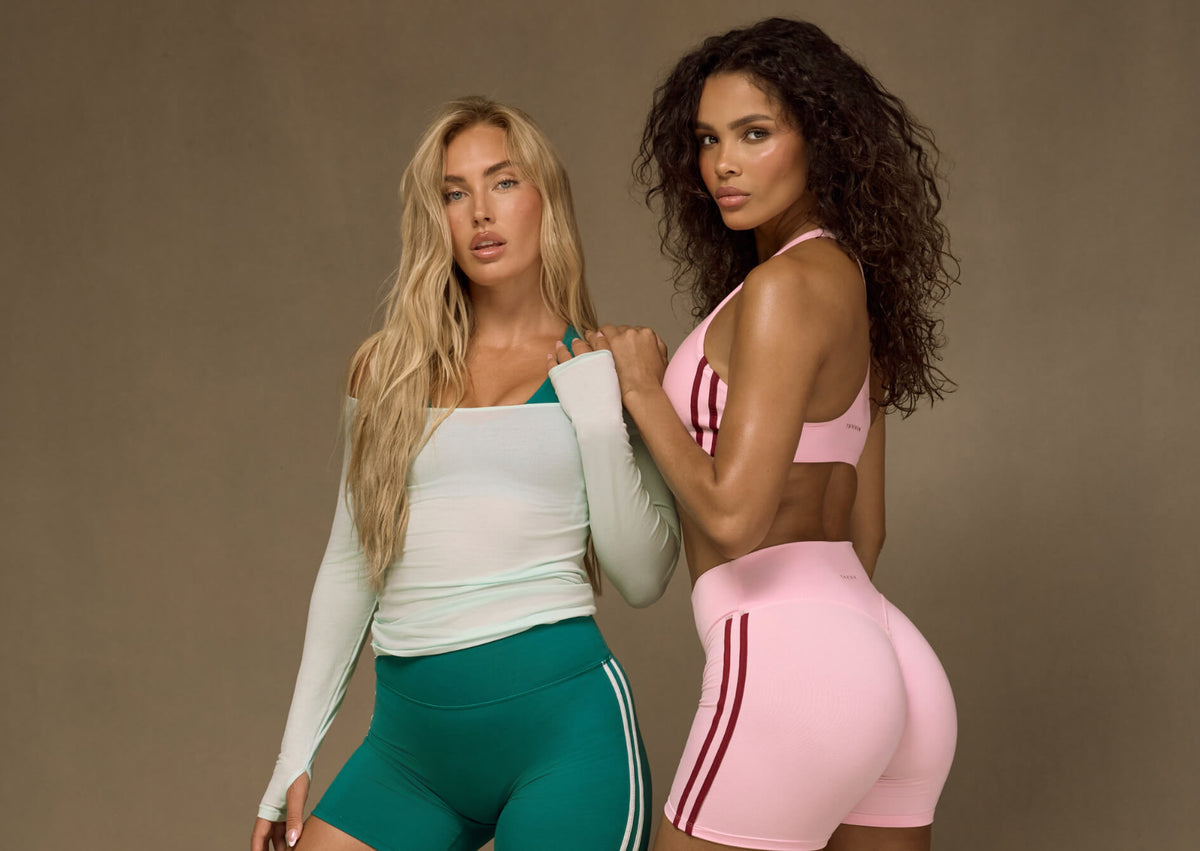
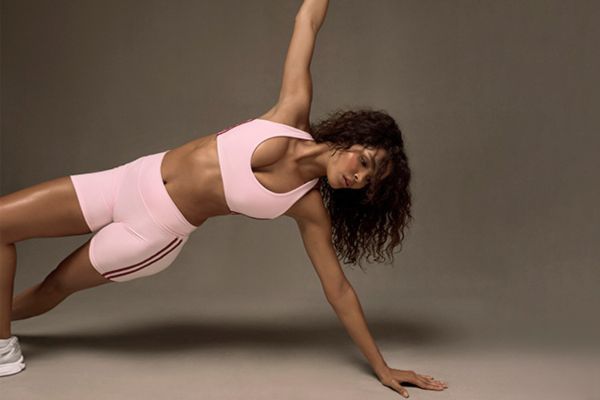


Waist height changes more than the silhouette. It changes how a gym legging feels through a full range of motion, how it interacts with your core during a lift, what you can pair it with, and how long you can wear it before you're thinking about adjusting it instead of your workout. Neither rise is the "better" version - they're built for different priorities, and there's actually a reasonable body of research behind why compression-style waistbands feel the way they do. Here's a proper breakdown, so you can pick based on what your training actually needs, not just what's trending.
Why Waist Height Isn't Just A Style Choice
Both high waist legging and mid waist leggings typically apply some degree of compression through the waist and hip area, and this isn't purely cosmetic. A systematic review published in the Annals of the New York Academy of Sciences looked specifically at how compression garments affect proprioception - your body's sense of joint position and movement and found consistent evidence that external pressure from compression fabric can meaningfully improve joint position awareness during movement.
Separately, research summarized by sports science reviewers has found that compression garments can reduce muscle oscillation - the small, repetitive vibrations muscles go through during high-impact movements. Less oscillation is generally associated with reduced muscle fatigue over the course of a session.
None of this means a waistband is doing something magical. The research is genuinely mixed on whether compression garments improve raw performance metrics like power or endurance, and several reviewers are explicit that evidence quality in this space is still considered low to moderate. But the proprioception and muscle-oscillation findings are consistent enough across multiple studies to explain, at least in part, why a higher, more structured waistband can genuinely feel more "locked in" during heavy or explosive movement - it's not just perception.
The Case For High-Waist Leggings
A higher waistband sits above or right at the natural waistline, offering more coverage and a more structured, supportive feel through the core and lower back.
Where high-waist leggings make the most sense:
- Heavy lifting and core-intensive training. The larger surface area of a high waistband distributes compression more evenly across the abdomen and lower back. Combined with the proprioceptive effects mentioned above, this is likely part of why lifters often report feeling more stable during squats, deadlifts, and overhead work in a high-rise fit.
- Layering with cropped tops or sports bras. A higher rise means no gap of exposed midriff during dynamic movement - useful for studio classes, filmed workouts, or anything involving a lot of overhead reaching or twisting.
- Extended wear beyond the gym. Because a high waistband holds its position well and doesn't rely on being cinched tightly to stay up, it tends to be the more comfortable option for long stretches of wear - travel days, errands, or sitting for extended periods.
- A smoother line under fitted tops, since the waistband extends higher up the torso and eliminates a visible break between top and bottom.

The Case For Mid-Waist Leggings
A mid-rise waistband sits just below the natural waistline. It's a lower profile that a lot of people find genuinely more comfortable for certain movement patterns, not just a style downgrade from high-waist.
Where mid-waist leggings make the most sense:
- Movement with a lot of hip flexion. Training, cycling, and deep hip hinges can feel more comfortable without a thick waistband sitting directly over the stomach through repeated bending. Some runners specifically prefer a lower rise for this reason - less material directly at the point where the torso folds forward.
- Pairing with cropped or shorter tops where a visible waistline is part of the look, rather than full coverage up to the ribcage.
- Personal comfort over long, low-intensity periods. Not everyone finds high compression around the stomach comfortable for hours at a time - a mid-rise fit gives support without the same sustained pressure across the midsection.
- A genuinely different aesthetic, not just a fallback. Mid-rise has had a real resurgence in recent seasons and is a deliberate style choice for a lot of people, not simply "the leggings that don't have a high waistband."

What The Fabric Doesn't Change
Both rises typically use the same base fabric - in our case, the sculpting, 4-way stretch fabric used across the Elevate™ range - so the shape and support through the glutes and thighs stays consistent regardless of waist height. What changes is WHERE compression is concentrated and how that interacts with specific movement patterns. This is worth knowing because it means the decision isn't really about which pair will "perform better" in some general sense - it's about matching waistband placement to what a specific type of training actually asks of your body.
A Simple Way To Decide
A few honest questions to run through before choosing:
1. What's the movement pattern? Heavy lifting, squats, or a lot of overhead work → high-waist, for the added core and lower-back support. Training, cycling, or repeated hip flexion → mid-waist is worth trying if a high rise has ever felt restrictive through the stomach during those movements.
2. How long will you be wearing them? All-day wear, travel, or long sitting periods → high-waist tends to hold up better without needing readjustment. Shorter, focused training sessions → either works, so this becomes more about the next point.
3. What are you pairing them with? A compression T-shirt or fitted top → either rise works fine. A cropped top where you want your waistline visible → mid-waist.
4. How does your body actually respond to sustained compression? This is the most personal factor and the one no article can answer for you. Some people find higher, firmer compression genuinely more comfortable and stabilizing; others find it restrictive after a while. There's no substitute for noticing how you feel in each, rather than assuming the "recommended" option for your workout will automatically feel right.
If you're still unsure, that's a reasonable sign both are worth having in rotation. A lot of people switch between rises depending on the session rather than settling on one permanently and given that the underlying support and shape come from the fabric rather than the waistband alone, there's no real downside to that approach.


The Bottom Line
There's real research behind why waistband height and compression affect how movement feels - better joint position awareness and reduced muscle oscillation are genuine, if modest, effects backed by multiple studies, even if the evidence isn't strong enough yet to call it a guaranteed performance boost. What that research doesn't do is declare a winner between high-waist and mid-waist. It just explains why the FEEL of each rise is real, not just marketing - which makes "what does this workout actually need" a much better question than "which one is trending."
Sources: Ghai et al., "Influence of compression garments on proprioception: A systematic review and meta-analysis," Annals of the New York Academy of Sciences (2024); summary findings on compression garments and muscle oscillation via Science for Sport and Sportsmith sports science reviews.


