

Open any wardrobe and you'll usually find the same thing - a stack of leggings bought at different points over the last few years, a couple of sports bras that don't quite match anything, and that vague feeling that none of it is quite working anymore.
It's not about having too little. It's about the fact that women’s activewear has moved on, and most wardrobes haven't caught up. The silhouettes that looked current in 2022 read differently now. The fabrics women are willing to tolerate have changed. And the way activewear fits into daily life - not just workout time - has shifted in a way that makes the older pieces feel slightly off.
This isn't unique to one country or one market. It's happening everywhere. From high streets in Manchester to boutique studios in Melbourne, from fitness communities in Dubai to weekend runners in Seoul - women globally are buying smarter, expecting more, and holding onto pieces longer when they actually get it right.
Here's what that looks like in 2026: what's leading the market, what's on its way out, and how to build a wardrobe that genuinely works.
The Market Tells You Everything About Where Fashion Is Going
Before getting into the trends themselves, it's worth understanding the scale of what's happening in women's activewear - because the numbers explain the direction.
The global women's activewear market was estimated at $141.3 billion in 2025 and is projected to reach $277.3 billion by 2034, growing at a CAGR of 7.78%. That's not just growth - it's a structural shift in how women relate to clothing. (Source: 360 Research Reports)
Nearly 62% of women aged 18 to 45 prefer activewear for daily wear, and around 54% of gym memberships globally are held by women. The activewear buyer isn't someone who only needs kit for the gym. She needs it to work everywhere she goes. (Source: 360 Research Reports)
Sustainability is also reshaping what gets made and bought. The global sustainable athleisure market was valued at $88.75 billion in 2024 and is projected to reach $176.05 billion by 2030, growing at a CAGR of 12.5%. Brands that haven't shifted toward better materials are feeling it. (Source: Grand View Research)
Trends That Are Actually Leading in 2026
Flared Leggings Have Replaced Skinnies - and They're Not Going Anywhere

The slim, second-skin legging that defined the early 2010s gym look is no longer the default. Flared leggings and wide-leg training pants have taken over - and the reasons are practical as much as aesthetic. They're more comfortable across a full range of movement. They transition more naturally into everyday dressing. And they work for more body types without requiring any particular fit.
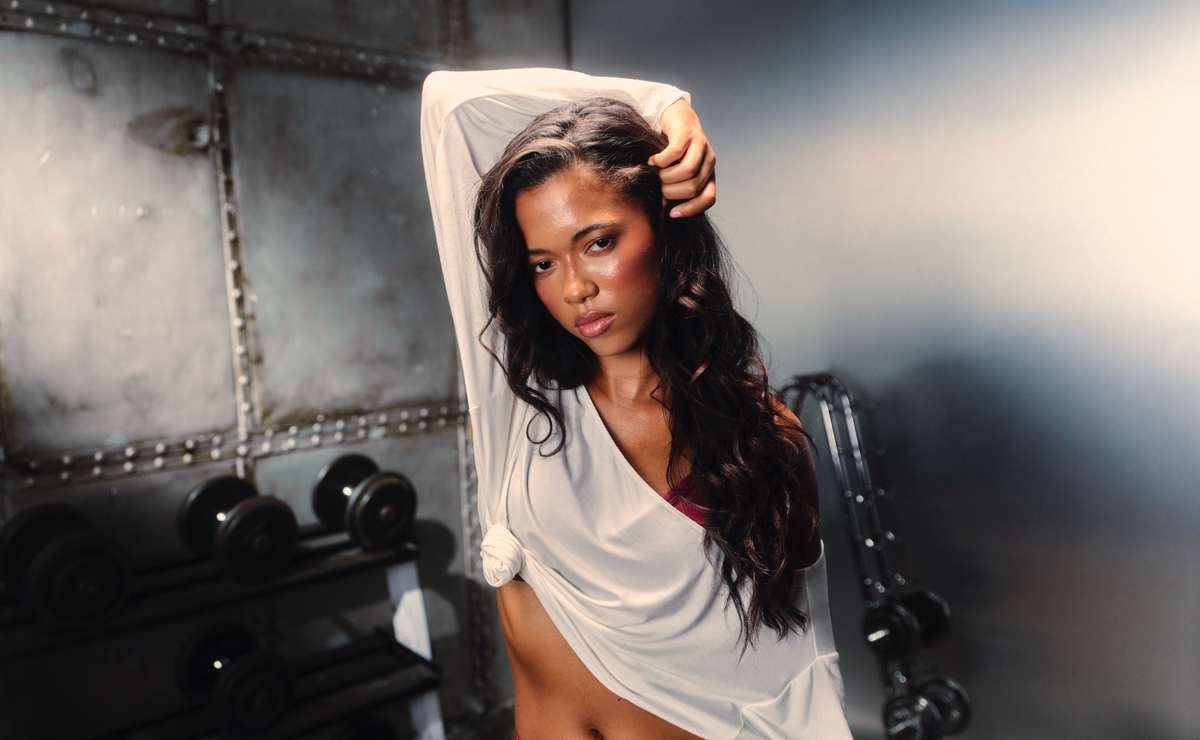
The best versions sit high on the waist, maintain their structure through a full session, and look like something you chose deliberately rather than something you just threw on. The Thrivin Routine Collection does this well - worth a look if you want a reference point.
Sports Bras Are Actually Supporting People Now

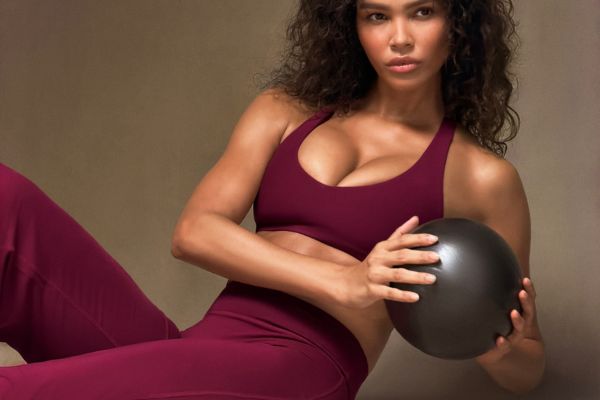
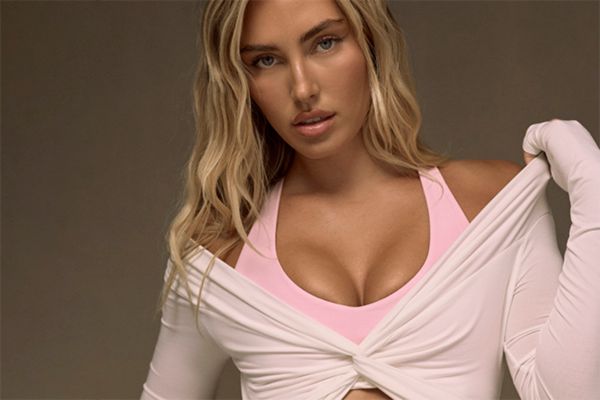
The minimalist bralette - thin straps, barely-there band, decorative more than functional - has had its run. What's replaced it is a sports bra designed to do its job. Longline cuts that extend further down the torso. Wide, reinforced straps. Cross-back designs that look considered and feel secure.
The practical upside is real: a longline bra with a good band means you don't always need a separate top. One piece, more versatility, better support.
Seamless Has Become the Standard, Not a Premium

Around 27% of women now say seamless is their first preference when buying activewear. When you try it, it becomes obvious why. No friction points, no visible lines, no bunching during movement. The fabric sits flat and moves with you instead of against you. (Source: 360 Research Reports)
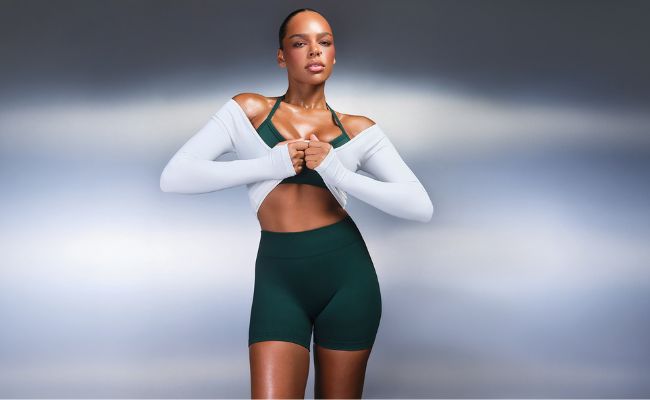
Matched seamless sets have taken off for the same reason - same fabric, same knit, bra and seamless gym legging together. The effect is effortlessly put-together without any real effort. It's become one of the most searched activewear categories globally.
Earthy, Neutral Colours Are Everywhere - For Good Reason
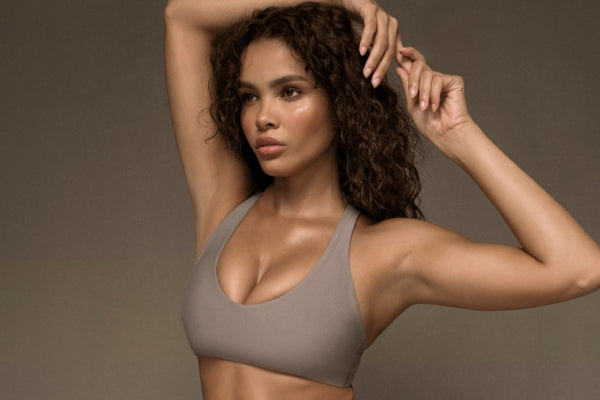
Terracotta. Stone. Sage. Chocolate brown. Dusty rose. These are the colours dominating activewear collections from London to Los Angeles right now, and they're winning for a straightforward reason: they work together, they work outside the gym, and they don't date the way trend-led colours do.
A warm neutral set in a quality fabric looks like an actual outfit. That matters when you're moving between a morning class, errands, and lunch - which is most days for most women.
The Fabric Has to Earn Its Place
Women are paying attention to what their activewear is actually made of in a way that wasn't quite as sharp a few years ago. The expectation in 2026 is a fabric that feels dense and matte, holds its shape through movement, and doesn't go see-through under studio lighting or when you squat.
The squat test has become a genuine buying filter - check the opacity before committing. A high-waist band that stays flat and doesn't fold is the other non-negotiable. If either of those fails, the legging gets returned.
Getting Dressed in Activewear Is a Considered Choice Now
Nearly 48% of global female consumers now use activewear for non-athletic daily wear. How they style it has become more intentional. (Source: 360 Research Reports)
Athleisure in 2026 isn't leggings and a hoodie. It's a flare pant and longline bra under an open blazer. A seamless co-ord with leather accessories and clean trainers. A ribbed set that reads more like an outfit than activewear. The difference between looking put-together and looking like you didn't change after the gym almost always comes down to fabric quality and fit - not price. The Thrivin Routine Collection is designed around exactly this kind of day: moving between workouts, errands, and social plans without changing in between.
What's Being Left Behind
Full Neon Kits
Neon as an accent - a pop of colour on a neutral set - still works. But matching head-to-toe neon kits feel like a specific moment in time that's passed. The direction globally is the opposite: quieter, more considered, more wearable across different settings.
Leggings That Don't Survive the Squat Test
This has been a complaint for years, and women are done with it. Buyers are checking reviews, testing fabric in-store, and returning anything that doesn't hold up. Thin fabric with no real compression or opacity is losing ground fast - regardless of the brand name on the waistband.
Oversized Logo Branding
The era of bold branding across the chest or leg belongs to an earlier decade. The current aesthetic - globally - is minimal. A small logo at the back or nothing at all. The workmanship of the fit does more than a logo ever could.
Cheap Sets Designed to Be Replaced
Around 41% of women globally now demand sustainable materials when shopping for activewear. That number has been climbing steadily, and it's changing what gets bought. (Source: 360 Research Reports)
Fast-fashion activewear - low-cost sets that pill, fade, and lose shape within weeks - is losing ground to fewer, better purchases. The calculus has shifted: one pair of leggings that lasts two years costs less and causes less frustration than replacing cheap ones every couple of months.
Bralettes That Don't Actually Do Anything
A barely-there bralette works for certain things - low-impact movement, travel, lounging. It doesn't work as a gym bra for anyone doing anything with real intensity. Women are making that distinction more clearly now, and choosing structured bras that also look good rather than bralettes that only look good.
What a Practical 2026 Wardrobe Actually Looks Like
No need to start from scratch. Most wardrobes just need a few targeted additions.
Two or three leggings - one pair with firm compression for high-intensity training, one flare or relaxed-fit pair for lighter movement or daily wear, and a seamless option if yoga or pilates is part of your routine.
Two sports bras - one with strong support for running or HIIT, one lighter style for studio classes. A well-made seamless bra often handles both without feeling too restrictive.
One matching set - seamless fabric, muted tone, correct fit. Something that works in the gym and directly outside it without changing.
One or two tops - a ribbed tank or a sculpting long-sleeve top. Keep it basic; the set does the work.
Thrivin's fitness leggings and activewear are built around this logic - pieces for real schedules, not just the hour spent actually working out.
Where This All Points
The clearest thing about women's activewear in 2026 is that the market has matured. Buyers globally are less willing to compromise on fabric quality, support, opacity, or longevity. The trends - flares, seamless, neutral tones, minimal branding - are all expressions of the same underlying shift: clothes that work properly and keep working.
What's fading is everything that traded on aesthetics without delivering on function. The thin leggings, the neon kits, the logo-heavy pieces bought because they were on trend.
Buy less. Buy better. Fill the actual gaps in what you have, and you're done.


