

Every September, the same question resurfaces on every fitness forum, subreddit and group chat: what do you actually wear to train once it's not t-shirt weather anymore, but not yet balaclava weather either. The usual answer is "just layer up," which is true and also almost useless, because it doesn't tell you what to layer, in what order, or why your gym wardrobe is suddenly full of black and grey when autumn is supposed to be the warmest, richest season on the colour wheel.
So let's actually answer it properly. There are two autumn problems to solve here, and most guides only bother with one.
The season problem: layering without overheating
The mistake most people make with cold-weather training is dressing for the walk to the gym, not the workout itself. You warm up fast once you're moving, so a jumper that felt perfect at the bus stop turns into a sweat-soaked liability by set three of anything.
The fix is a proper three-layer system, and it's the same logic climbers and runners have used for decades, just scaled down for a 45-minute session rather than a mountain.
Layer one is compression against the skin - something snug enough to move with you and wick moisture rather than hold onto it. This is your base, and it's doing more work than people give it credit for; a loose, cotton first layer is the single biggest reason people feel clammy and cold at the same time. Layer two is your actual training piece - leggings, shorts, a top with enough structure to hold its shape through a working set. Layer three is the bit you peel off after five minutes once you're warm: a compression long-sleeve or light jacket you can tie round your waist or shove in your bag.


The part almost nobody mentions: your base layer should be the piece you're happiest training in on its own, because you'll spend most of the session in just that. If it only looks good under a jacket, you've built the system backwards.
The colour problem: Why "Autumn" isn't just a marketing word
Here's the part that gets skipped entirely. "Autumn" has been a colour term since the 1980s, when the four-season colour analysis system (the one behind the once-inescapable book Colour Me Beautiful) grouped warm, muted, earthy tones - think coffee, moss, rust, deep wine - under the "autumn" palette, as opposed to the icy blues and pinks of "winter" or the soft pastels of "summer." It's the same logic stylists still use today, and it's why an actual autumn palette looks nothing like "whatever's dark," even though most activewear drops treat the two as identical.
That distinction matters for training wear specifically, for a fairly unglamorous reason: gym clothes get photographed. In mirrors, on phones, tagged in posts. Warm, muted tones like latte and pine green tend to read as rich rather than flat under gym lighting in the way true black often doesn't, and they photograph more forgivingly than stark contrast pieces. It's also the reason darker, richer shades get described as "slimming" so often in styling advice - it's not a trick, it's just that low-contrast, deep tones create fewer hard edges for the eye to catch onto than bright or high-contrast pieces do. Pair that with a genuinely compressive, sculpting fit and you're getting the effect from the fabric and the colour at the same time, not just one or the other.
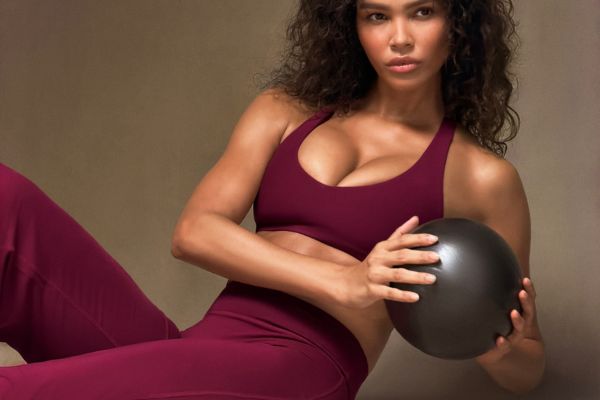
That's the actual case for a "five shades of autumn" edit rather than "here's activewear in dark colours for a dark month": latte and coffee give you the easy, everyday end of the palette, pine green and winter plum sit at the richer end, and fine wine ties the whole thing together. It's a genuine seasonal colour palette, not just a discount rack repainted in October.


Where Thrivin's Elevate Autumn edit fits in
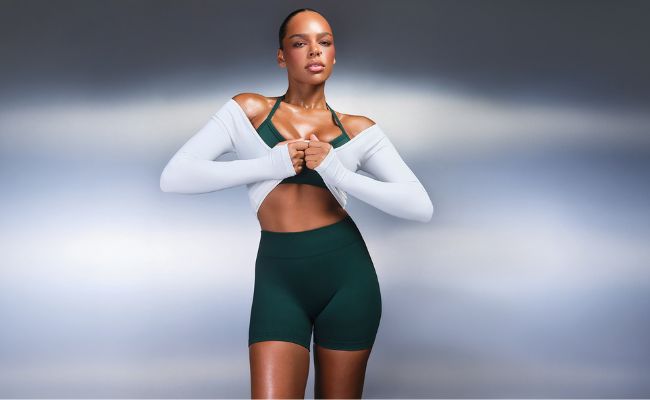
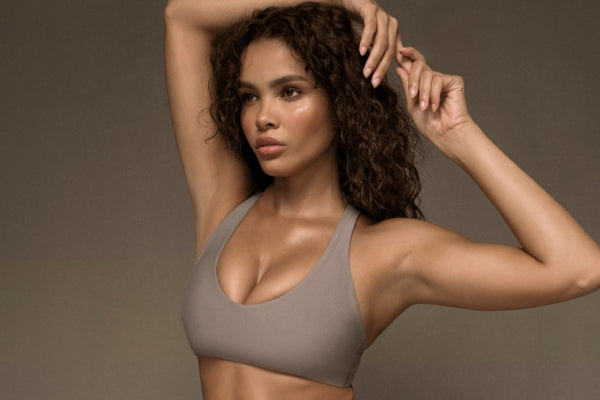
This is exactly the thinking behind Autumn On Her, Thrivin's seasonal take on the Elevate line. The fit doesn't change - it's still the same high-compression, sculpting construction built for lifting and HIIT sessions that ask a lot of your kit - but it now comes in latte, coffee, pine green, winter plum and fine wine, which means your three-layer system and your colour story can finally be the same decision instead of two separate ones.
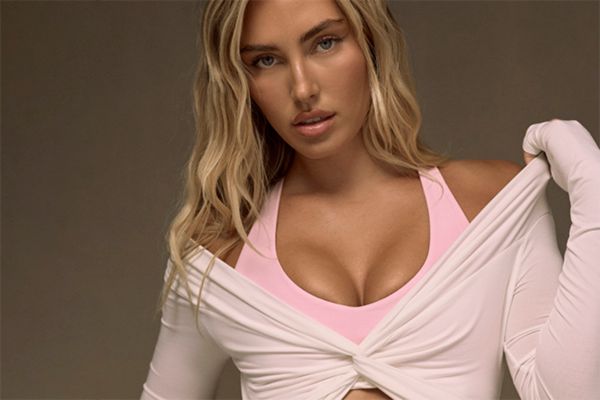
The compression long-sleeve jacket and compression t-shirt work as either layer one or layer three depending on the day. The sculpting mid-waist leggings, mid-waist scrunch shorter shorts, and the mid v-waist flare and mid-waist scrunch leggings styles carry the compression fit through your main training piece. And the seamless bras and tops - the adjustable halter bra, halterneck top and sculpting v-neck top are built to hold their own as a standalone layer once you've warmed up, which, per the section above, is the whole point of a good base layer in the first place.


FAQ: autumn training wardrobe, answered properly
What colours actually count as an "autumn" palette, and why?
In colour theory, autumn tones are warm and muted rather than bright or cool - coffee, latte, moss, rust, deep plum and wine, rather than icy blue-based shades. They're grouped together because they share the same warm undertone, which is why they mix and layer with each other (and with denim) more easily than a random assortment of "dark" colours does.
What's the actual order to layer activewear for cold-weather training?
Compression base layer against the skin first (this does the moisture-wicking work and should look good worn alone), your main training piece - leggings, shorts, a structured top - second, and a compression long-sleeve or light jacket third, to be removed once you've warmed up. Dressing for the walk there rather than the workout itself is the most common layering mistake.
Is it worth buying "autumn" activewear specifically, or is it just the same product in a different colour?
The construction should genuinely be identical - same fit, same compression, same fabric - with only the colour palette changing seasonally. If a brand's "autumn edit" changes the cut or the fabric weight as well, that's a different product, not a seasonal refresh, and it's worth checking which one you're actually being sold.


