

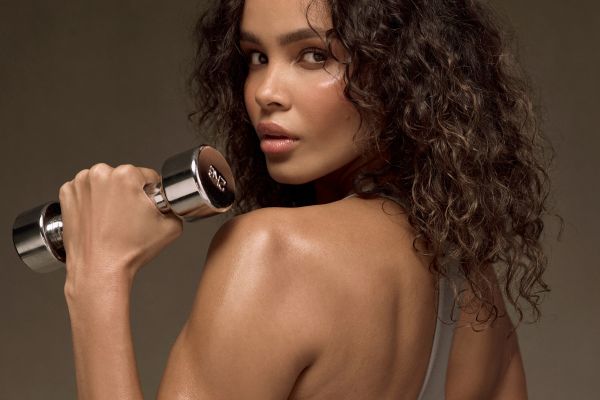
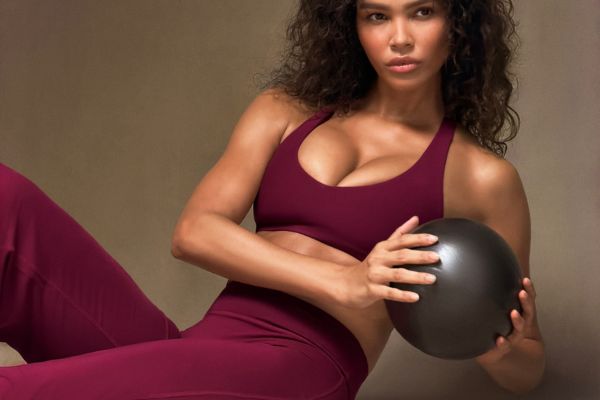




Here's the thing nobody tells you when you start training seriously: the session is only half the work.
The other half happens after you leave the gym. In the hours and days between sessions, your body is doing everything - rebuilding muscle tissue, replenishing glycogen, adapting to the stress you put it through. If you're not recovering well, you're not progressing. You're just accumulating fatigue.
Most women know this in principle. In practice, recovery still gets treated like optional homework something to get to if there's time, after training, nutrition, work, and everything else that fills a day.
This guide is about changing that. Not by adding two hours to your routine, but by understanding what actually moves the needle and building it into the way you live, train, and even dress.
What Recovery Actually Means
Recovery isn't passive. It's not just "not training." It's an active physiological process that determines how well you perform next session, next week, next month.
There are three phases that matter:
Immediate recovery - the minutes and hours directly after a session. Nutrition, hydration, and gentle movement matter most here.
Short-term recovery - the 24- 48 hours between sessions. Sleep, stress management, and active recovery day habits live in this window.
Long-term recovery - the planned deload weeks and rest days built into your training across months. Most people never get here because they haven't built the other two.
Neglect any one of these consistently and progress plateaus. Strength, endurance, body composition, mood - all of it.
1. Sleep: The Habit You're Almost Certainly Undervaluing
No supplement, no technique, no piece of kit replaces sleep. This is physiology, not motivation.
During deep sleep, your body releases growth hormone, repairs damaged muscle tissue, consolidates movement patterns learned during training, and regulates the hormones that control appetite and energy. Consistently under-sleeping doesn't just make you tired - it works against the adaptation your training is trying to create.
What the evidence shows:
- Less than 7 hours per night is associated with significantly slower strength gains over time
- Poor sleep increases stress hormones and negatively affects muscle recovery, training performance, and appetite regulation
- Studies on sleep extension in athletes have shown improvements in reaction time, mood, and performance markers - suggesting most of us are operating below our recovery potential
Practical habits that help:
- Set a consistent wake time - even on rest days. Your circadian rhythm responds to regularity more than total hours.
- Keep your bedroom cool (around 16–19°C). Sleep quality is meaningfully better in a cooler environment.
- Avoid screens for 30-60 minutes before bed. Blue light suppresses melatonin more than most people realise.
- If you train in the evening, high-intensity sessions can delay sleep onset by 1–2 hours. Build a longer wind-down routine or shift your training earlier where possible.
2. Nutrition Timing: The Window People Get Wrong
The "anabolic window" - the idea that you have a narrow post-workout period to consume protein or the session is wasted - has been significantly overstated. The science has moved on.
What's actually clear:
Total daily protein intake matters more than timing. If you're hitting your target across the day (typically 1.6-2.2g per kg of bodyweight for active women), the precise timing of your post-workout meal is less critical than once believed.
That said, eating within 2 hours post-training is still a good habit - not because the window slams shut, but because it prevents the compounding under-eating that many training women fall into without realising.
Carbohydrates are not the enemy. For women training at moderate to high intensity, carbohydrates are the primary fuel source. Chronically under-eating them in pursuit of leanness often results in elevated stress hormones, slower recovery, and worse body composition outcomes over time. Include them in your post-workout meal without guilt.
Hydration counts as nutrition. A 2% loss of body weight from sweat measurably impairs performance. Drink consistently throughout the day - not just around training and add electrolytes if sessions are longer than 60-90 minutes or you sweat heavily.
3. Active Recovery: What to Do Between Sessions - And What to Wear
Active recovery sits between full rest and training - light, intentional movement that increases blood flow to sore muscles, reduces DOMS (delayed onset muscle soreness), and keeps your nervous system engaged without stressing it further.
It should feel easy. Uncomfortably easy, if you're used to training hard. If you finish a recovery session feeling worked, you've missed the point.
What works:
- Walking (30-60 minutes at a conversational pace - the best active recovery habit most people ignore)
- Swimming or light aqua movement
- Restorative yoga or Pilates
- Light cycling, stationary or outdoors
- Foam rolling and a full mobility circuit
What to wear: This is where your kit genuinely matters - not for performance, but for consistency. Recovery movement only works if you actually do it, and doing it requires removing friction. If your recovery day starts with hunting for something comfortable to move in, you've already created resistance before you've begun.
The kit you reach for on recovery days should feel completely different from what you train in. Not worse - different. Softer. Less structured. More like permission than preparation.
Seamless gym leggings are the natural choice. No seams means no friction points during long stretches or floor-based mobility work - they feel like a second skin rather than a performance kit, which is exactly the right sensation when your goal is to move gently, not push hard.
For yoga, Pilates, or a long walk, flare leggings or women's yoga pants change the energy of the session entirely. The wider leg removes any sense of compression, opens your range of motion in hip work, and honestly, just feels more like a day off than a day on.
For the top half, a workout jacket over a seamless sports bra is the formula. The warmth keeps muscles loose between movements, especially in a cool room or outdoors.
Recovery movement should feel like a reward. Dress for that feeling, and you'll actually show up for it.
4. Stress: The Recovery Factor Nobody Talks About Enough
Training is a form of stress - biologically, not metaphorically. When you train, you elevate cortisol, create micro-damage in muscle tissue, and put demand on your central nervous system. Recovery is the process of returning from that stressed state, adapting, and coming back stronger.
The problem: your body doesn't distinguish between types of stress. Work pressure, poor sleep, relationship strain, under-eating - it all adds to the same load. If life stress is already high and you continue training at the same volume and intensity, you're not recovering between sessions. You're compounding.
Signs your stress load is outpacing your recovery:
- Performance is plateauing or declining despite consistent training
- You feel drained rather than energised after sessions
- Sleep quality has dropped even when you're doing everything right
- Motivation is lower than usual and staying low
- You're picking up minor illnesses or niggles more frequently than before
The response isn't to train harder. It's often to train less, sleep more, and reduce external stressors where possible. Deload weeks and rest days exist precisely for this — they're not weakness, they're programming.
5. Cold and Heat Therapy
The wellness industry has made cold plunges and infrared saunas sound both miraculous and non-negotiable. The reality is more useful than the hype.
Cold water immersion:
Good evidence for reducing perceived soreness in the 24-48 hours after a hard session. Less clear evidence for improving long-term adaptation - some research suggests frequent cold immersion may blunt muscle-building signals. Use it strategically: after your hardest sessions, or when you need to recover quickly between events. Not every day.
Heat therapy:
Consistent evidence for reducing muscle tension and improving sleep quality. A warm bath before bed can support relaxation and help you wind down - making it one of the simplest, most accessible recovery rituals available. It takes 20 minutes and requires nothing you don't already have.
Contrast therapy:
Popular in professional sport settings. Some evidence for supporting recovery. Worth experimenting with if you have easy access to both. If not, it's not the missing piece.
Recovery Looks Different for Women And That Matters
Most of what we know about sports recovery comes from research conducted predominantly on male athletes. The general principles apply across the board, but women aren't simply smaller versions of male athletes - and the differences are worth understanding.
Hormonal fluctuations across the menstrual cycle meaningfully influence recovery. In the follicular phase (the first half of the cycle), oestrogen is higher and many women find they recover faster, tolerate more training volume, and feel stronger. In the luteal phase (second half), progesterone rises, core body temperature increases slightly, and recovery generally takes longer. Sleep can be disrupted. Perceived exertion at the same intensity tends to feel higher.
This doesn't mean training less - it means training smarter. Scheduling your most demanding sessions in the follicular phase and building in more recovery time in the luteal phase is a legitimate, evidence-informed strategy that many female athletes now use intentionally
If you're training consistently and struggling to recover - sleeping enough, eating well, managing stress, and still feeling flat - a conversation with a sports dietitian or GP familiar with female athlete health is worth having.
Your Recovery Wardrobe vs. Your Training Wardrobe
Most women build their training kit with care and treat their recovery kit as an afterthought. At Thrivin, we think both matter - and here's how to think about each.
Training days call for kit built to perform: high waist scrunch leggings or butt lifting leggings for lower body sessions, sculpting scrunch shorts on leg day, a high apex sports bra for cardio and HIIT, a long sleeve workout top or gym t-shirt for upper body work. Compression, support, squat-proof. Kit that keeps up.
Recovery days call for something different entirely: seamless gym leggings for mobility, women's yoga pants or flare leggings for Pilates and stretching, a seamless sports bra for low-pressure support, a workout sweater or light activewear jacket on top. Not lesser kit - different kit. Kit that signals to your body: we're moving, but we're not fighting today.
Gym accessories complete both sides of the wardrobe. Resistance bands for mobility work, a foam roller, a water bottle you'll actually keep filled - these are the women's workout accessories that make the habits easy, rather than things you have to remember to set up each time.
The divide between training and recovery wardrobes isn't about spending more. It's about being intentional - having the right thing ready, so the habit requires no decision.
A Practical Weekly Recovery Framework
If you want to build this into your actual routine rather than just knowing it in theory:
Every day:
- 7-9 hours sleep with a consistent wake time
- Protein at every meal
- 2+ litres of water
On training days:
- Eat a proper meal within 2 hours post-session
- 5-10 minutes of post-workout mobility before you leave
- Wind down intentionally before bed
On active recovery days:
- 30-60 minutes of low-intensity movement - walking counts, and counts well
- Wear your recovery kit, not your training kit
- One evening per week: warm bath, early bed, no screens
Weekly:
- At least one full rest day with no structured exercise
- An honest check-in on your stress load - if it's high, reduce training volume before you reduce recovery time
Every 4-6 weeks:
- A deload: same exercises, 40-60% of your usual volume and intensity
- A review of your actual progress - strength, energy levels, sleep quality, mood - not just what you see in the mirror
The Bottom Line
Training creates the signal. Recovery creates the result.
The women who improve consistently over years aren't always the ones training hardest. They're the ones who've understood that the session and the recovery are one continuous process - and who've built their sleep, their nutrition, their habits, and their wardrobe around supporting both sides of it.
Start with one thing. Build it properly. Add the next.
That's how performance actually improves - not in the gym, but in everything that happens after you leave it.


