
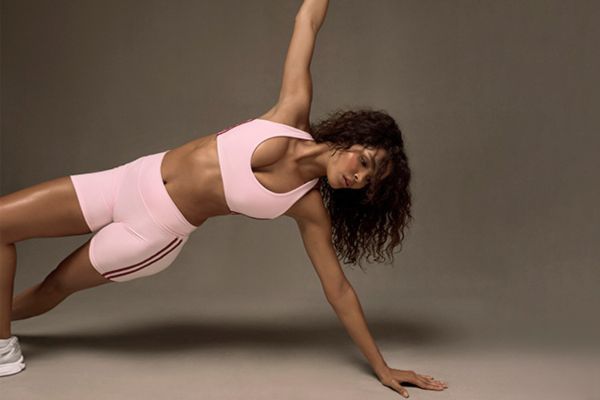


Activewear Terms Explained:
You pick up a pair of leggings. The label says: moisture-wicking, four-way stretch, squat-proof, seamless construction with ribbed compression. Great. But if you have no idea what half of that means - or whether it actually matters for what you're buying - you're just guessing.
This glossary exists to fix that. Every term you'll see on activewear labels and product pages, explained the way a friend in the industry would explain it. What it means, what it actually does for you, and when it matters and when it doesn't.
Quick reference: what does each term mean?
This is a reference guide to activewear fabric science and construction terminology. If you're in a hurry, here's the short version - click any term to jump to the full explanation.
|
Term |
What it actually means |
|
Moisture-wicking |
Moves sweat away from skin so it evaporates faster |
|
Squat-proof |
Stays opaque when stretched - doesn't go see-through |
|
Compression |
Applies pressure to support muscles and improve circulation |
| Breathability | Allows heat to escape - works alongside moisture-wicking |
|
Seamless |
Knitted as one piece - no chafe-causing seams on inner thighs |
|
Elastane / Spandex / Lycra |
Same material, different names - the stretchy fibre in every legging |
|
Nylon |
Soft, durable synthetic fabric - used in premium activewear |
|
Polyester |
The most common activewear fabric - excellent moisture management |
|
Ribbed |
Textured knit that adds dimension and light compression |
|
Scrunch seam |
Gathered seam at the rear that creates lift and shape |
|
High rise |
Waistband sits above the natural waist - stays up during exercise |
| Anti-pilling | Resists the small fabric balls that form from friction |
| Shape retention | Holds compression and fit wash after wash |
Fabric terms
Moisture-wicking
The fabric pulls sweat off your skin and pushes it to the outer surface of the garment, where it evaporates. You stay drier. The sensation of wet fabric sticking to you during a workout is significantly reduced.
Why it works: Synthetic fibres like polyester and nylon absorb less than 1% of moisture. Cotton absorbs around 8.5%. That difference is exactly why your old cotton t-shirt feels soaked after 20 minutes and a performance top doesn't.
When it matters most:
-
High-intensity training - running, HIIT, heavy lifting
-
Hot studios or outdoor sessions
-
Any workout where you know you're going to sweat hard
When it matters less: Pilates, yoga, walks, or anything low-sweat. You'll survive cotton for a slow flow class.
What to watch for: "Moisture-wicking" without any fabric details is often marketing. Check the fabric composition - nylon or polyester blends are the real thing.
Squat-proof
Squat-proof means the fabric stays opaque when it stretches. When you squat, the fabric pulls across the glutes and thighs. If it's thin or poorly constructed, it becomes see-through. Squat-proof leggings don't.
What actually makes a legging squat-proof:
-
Fabric weight and density - heavier, tighter-knit fabric holds opacity under stretch
-
Knit structure - not just thickness but how tightly the fibres are interlocked
-
NOT colour - dark leggings can hide the problem, they don't fix it
The at-home test: Hold the fabric up to light and stretch it with both hands. If clear light passes through - it's not squat-proof. If it stays opaque with a slight glow at most - you're fine.
Thrivin's approach: All Thrivin gym leggings are built to be squat-proof. The fabric weight is tested under stretch, not just lying flat - because the only time it matters is when you're moving.
Compression fit
Compression means the garment applies pressure against the muscles. Not just "fits tightly" - actual graduated pressure that supports circulation and reduces muscle vibration during exercise.
What compression doesn't do: Make you faster or stronger during a session. The benefit is recovery and support - not a performance drug.
In practical terms for leggings: A compression fit also just means the garment holds against your body during movement rather than sagging at the knees or sliding down mid-set. That alone is worth it.
Is compression the same as tight? No. A legging can be tight without being compressive, and a compression garment should feel supportive - like being held - rather than restricted.
Seamless
Seamless activewear is knitted as one piece rather than cut from panels and sewn together. The result is a garment with no stitched seams along the sides or inner legs.
Why that matters in practice:
-
No chafe points on inner thighs or side panels during movement
-
Smoother look - no visible seam lines under other clothing
-
Allows the knit structure to vary across the body - tighter where you want compression, looser where you want ventilation
The honest caveat: "Seamless" still has some seams - usually at the waistband and gusset. It means no seams in the places seams cause problems.
Nylon
A synthetic fabric known for being soft, strong, and durable. Nylon has a slightly silky feel that polyester doesn't quite match. It's used in premium activewear because it feels better directly against skin and holds its shape over time.
Nylon at a glance:
-
Softer feel than polyester
-
Strong resistance to pilling and snagging
-
Slightly heavier and holds moisture slightly more than polyester
-
The go-to fabric for high-end leggings and sports bras
A typical nylon-spandex blend in leggings is around 75-80% nylon with 20-25% spandex.
Polyester

The most widely used fabric in activewear. Polyester is strong, dries fast, retains colour well, and handles sweat better than almost anything else.
Polyester at a glance:
-
Excellent moisture management - pulls sweat away and dries quickly
-
Holds colour better than nylon (less fading over time)
-
Slightly less soft than nylon against bare skin - though this has improved significantly
-
More affordable, which is why it dominates mid-range activewear
A typical polyester-spandex blend is 85-92% polyester with 8-15% spandex.
Elastane (also called spandex or Lycra)

All three names refer to the same material - a highly elastic synthetic fibre that gives activewear its stretch and recovery. Lycra is a brand name (owned by The Lycra Company). Elastane and spandex are the generic terms for the same thing.
Elastane is never used alone - it makes up a portion of a blend while the primary fibre (nylon or polyester) determines the overall feel and performance.
Ribbed fabric

A textured, ridged surface created by alternating raised and recessed lines in the knit. The result is a visual and tactile texture that sits differently to a flat, smooth legging.
What ribbing does:
-
Adds visual dimension - particularly useful at the rear, where it creates depth and contouring
-
Provides a bit of light compression through the structure of the knit
-
Looks more editorial than a plain flat surface
In Thrivin's seamless gym leggings, Flared leggings, Scrunch bum shorts, high waisted leggings - the ribbing at the rear works with the scrunch seam - not just as a style choice, but because the texture and structure together create the lift effect that a flat-knit legging can't.
Construction terms
High rise
The waistband sits above the natural waist - typically around 25cm or more from the crotch seam to the top of the band.
Why high waisted leggings became the gym standard:
-
Stays up without adjustment during squats, deadlifts, or anything dynamic
-
Covers the core and lower back - relevant for any bending exercise
-
Doesn't fold down when you're moving intensely
Best for: Weightlifting, HIIT, pilates, yoga - any workout where you're constantly moving and don't want to think about your waistband.
Mid rise
Sits at or just below the natural waist. Less core coverage but some people find it more comfortable for seated or mat-based work, particularly if they have a shorter torso where a high waistband sits too close to the ribs.
Flat seams
Seams that lie flat against the skin rather than leaving a raised ridge. This matters in the places seams touch skin during repetitive movement - inner thighs, waistband edge, underarm area in sports bras.
A raised seam in those areas will chafe over a longer session. Flat seams don't.
Scrunch seam (ruched seam)
A gathered, elasticated seam running along the back centre of leggings. The gathering pulls fabric inward along the natural dip between the glutes, creating lift and definition.
What makes a scrunch seam work vs. not work:
-
Placement has to follow the natural gluteal cleft - not run in a straight vertical line
-
The seam needs the right amount of gather - too little and it's flat, too much and it bunches
-
The surrounding fabric needs compression structure to support the effect
A misaligned scrunch seam just creates visual noise. A correctly placed one - like in Thrivin's scrunch bum leggings - genuinely changes the shape of the rear.
Scrunch bum
Leggings designed with a scrunch seam at the back, usually combined with ribbed compression fabric in the seat area. The combined effect of the ruched seam and ribbed texture is what creates the lift and definition. See scrunch seam above.
Gusset lining
A soft inner layer sewn specifically into the crotch panel - separate from the outer fabric. Provides hygiene, comfort, and structure for leggings worn without shorts underneath.
Its presence is generally a reliable sign of construction quality and attention to wearability.
Fit terms
Inseam
The length of the seam running from the crotch to the hem - which determines how far down the leg the legging sits. This is the most important measurement if your legs are longer or shorter than average.
Common inseam lengths:
-
Bike short: around 20-23cm
-
Capri: around 50-55cm
-
7/8 length: around 65-70cm
-
Full length: 75cm+
7/8 length - Hits just above the ankle. The most versatile length in most collections because it works across a broader range of heights - full-length leggings bunch at the ankle on shorter frames, 7/8 doesn't.
Performance terms
Breathability
How easily air passes through the fabric. Breathable garments allow heat to escape, which helps regulate body temperature during exercise.
Breathability vs moisture-wicking: They work together but aren't the same thing. A fabric can wick sweat well but still trap heat if it's too dense. The best activewear manages both - moving moisture out and letting air flow through.
Anti-pilling
Pilling is what happens when friction causes tiny balls of fabric to form on the surface - most commonly on the inner thighs after repeated wear. It makes leggings look worn out fast.
What causes pilling:
-
Low-quality polyester with a loose knit structure
-
Friction against rough surfaces (gym benches, textured flooring)
-
Washing at high temperatures
Shape retention
How well a garment returns to its original shape and compression after stretching and washing. A legging with good shape retention doesn't go baggy at the knees after six months or lose its waistband tension.
The main enemy of shape retention is heat - tumble dryers and hot washes break down elastane. This is why care instructions matter more than most people think.
Thermal / fleece-lined
A brushed inner layer that traps body heat for warmth. Designed for cold-weather training or outdoor activity.
The trade-off: Less breathability. Fleece-lined leggings are not designed for high-intensity indoor training where overheating becomes the problem.
Care terms
Cold wash only
This instruction is specifically to protect the elastane. Heat breaks down elastic fibres over time - leggings washed repeatedly at 40°C or above gradually lose compression and shape.
Cold wash (30°C or below) significantly extends the life of the garment. It's the single most impactful care decision you can make.
Do not tumble dry
Sustained high heat from a tumble dryer damages elastane far faster than any washing cycle. The heat breaks down the fibres that give the garment its shape and stretch.
Air dry everything with elastane in it. Hung or laid flat - both work.
Microfibre shedding
Synthetic activewear sheds tiny plastic fibres during washing - known as microfibres or microplastics. Research from the University of Plymouth found that a single domestic wash of a synthetic garment can release more than 700,000 microfibre particles into the water supply.
This applies to all synthetic clothing, not just activewear. A Guppyfriend washing bag reduces fibre breakage during the wash cycle.
Terms worth ignoring
Not everything on a label means something. These are the ones to treat with scepticism:
-
"Ultra-soft" - no standard definition. Every brand uses it for everything.
-
"Second skin feel" - means nothing specific. Fabric weight and fit are what determine this.
-
"Muscle support" - vague without specifics. Genuine compression claims come with pressure measurements (e.g. 15-20 mmHg for medical-grade). Most activewear compression is light and general.
-
"Cooling technology" - usually just describes moisture-wicking. Real cooling technology (embedded cooling yarns, phase-change materials) is rare in mainstream activewear and expensive when genuine.
-
"Eco-friendly" without detail - ask what the fabric is made from. Recycled nylon or polyester is genuinely better. "Eco-friendly" on its own is not an ingredient.
A quick note on Thrivin
At Thrivin, every term in this glossary has a practical answer in how the range is built. The scrunch bum leggings use correctly placed scrunch seams and ribbed compression - not as a trend, but because the construction is what makes the effect work. The seamless gym leggings eliminate seams at the points that actually cause irritation. Everything is squat-proof tested under stretch, not just lying flat on a table. And every piece is designed to hold its shape past the first few washes.
FAQ
What does squat-proof mean in leggings?
The fabric stays opaque when you stretch it - it doesn't go see-through during a squat or any bending movement. It's about fabric density and knit structure, not colour. Dark leggings can hide the problem; squat-proof construction fixes it.
Are compression leggings the same as tight leggings?
No. Compression applies graduated pressure that supports muscles and circulation. "Tight" is just a fit description. A compression garment should feel like being supported - not like wearing something two sizes too small.
Does moisture-wicking fabric actually work?
Yes, for what it claims - moving sweat away from the skin and speeding evaporation. It won't stop you sweating. It makes the experience of sweating significantly more comfortable and stops fabric sticking to you mid-workout.
What elastane percentage should gym leggings have?
15-20% is the sweet spot for most training. Under 10% gives a softer feel with less structure. Over 20% gives high compression - good for weightlifting or recovery, can feel constricting for yoga or slower workouts.
Why do leggings say do not tumble dry?
Tumble dryer heat breaks down elastane. Repeated drying at high heat destroys the compression and shape retention over time. Air dry - it takes longer, but your leggings will last significantly longer.


